Technique · 7 min read · April 4, 2026
Long-Exposure Photography: How to Smooth Water and Sky
To smooth water or clouds with a long exposure, put your camera on a tripod, attach a neutral-density (ND) filter to darken the scene, and use a shutter speed of several seconds to a few minutes. The ND filter is what makes long daytime exposures possible. Here's the full method.
Why you need an ND filter
A long exposure simply means leaving the shutter open long enough for moving things (water, clouds) to blur into smoothness while everything still records. In daylight, a multi-second exposure would be hopelessly overexposed. A neutral-density filter is dark glass that cuts the light by a fixed amount so you can use those long shutters without blowing the image out.
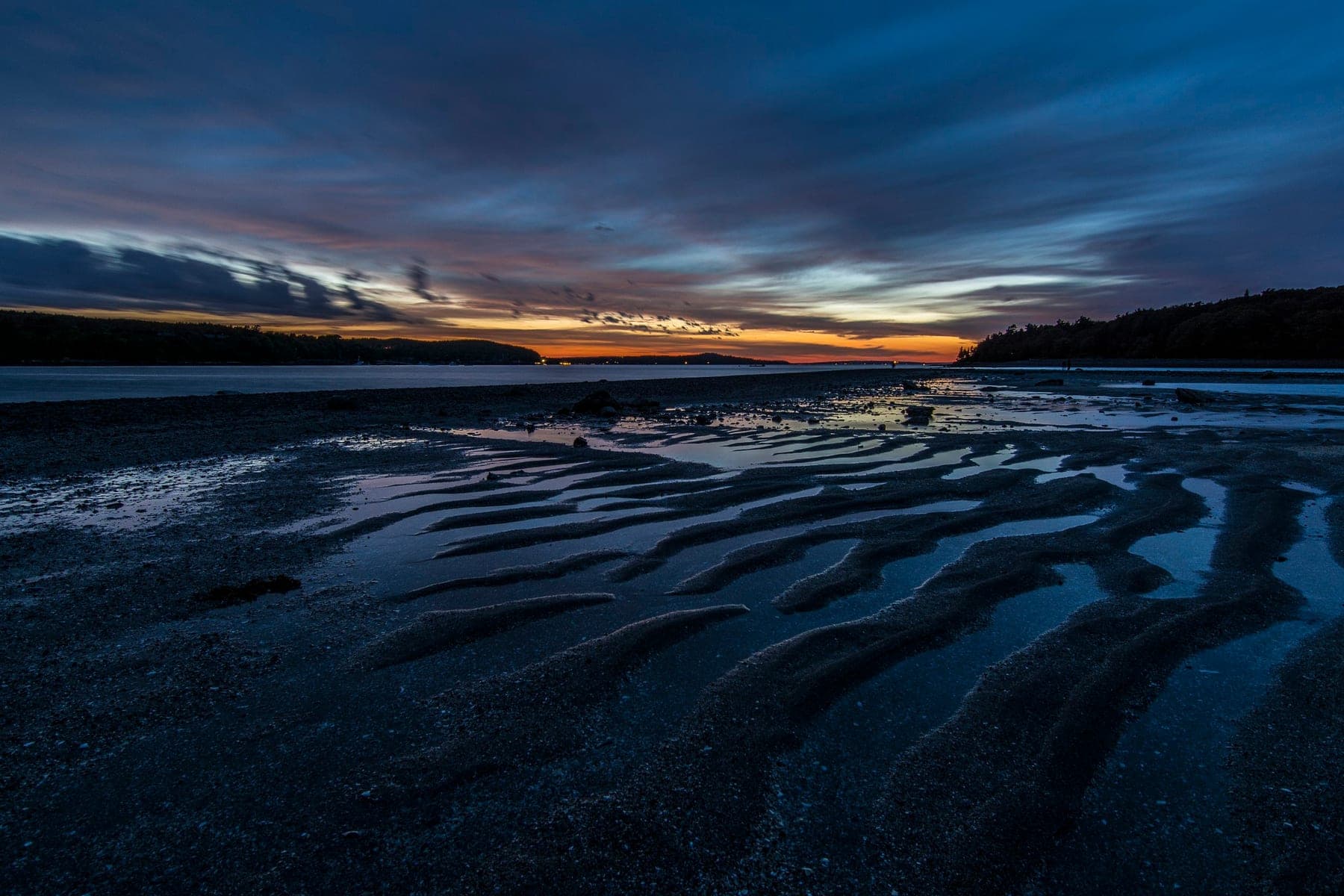
ND filters are rated in stops. A 6-stop is a versatile starting point for blue-hour and overcast seascapes; a 10-stop lets you stretch to minute-long exposures in brighter light.
The settings
Work in manual or shutter-priority. For silky water, aim for a shutter of 1-5 seconds, enough to soften the motion while keeping some texture. For glassy water and long cloud streaks, go to 30 seconds or beyond. Keep ISO at its base (100) for the cleanest file, and choose an aperture around f/8-f/11 for sharpness and depth.
Use a 2-second timer or a remote release so you're not touching the camera when the shutter fires, and turn off image stabilization on a tripod.
How long is long enough?
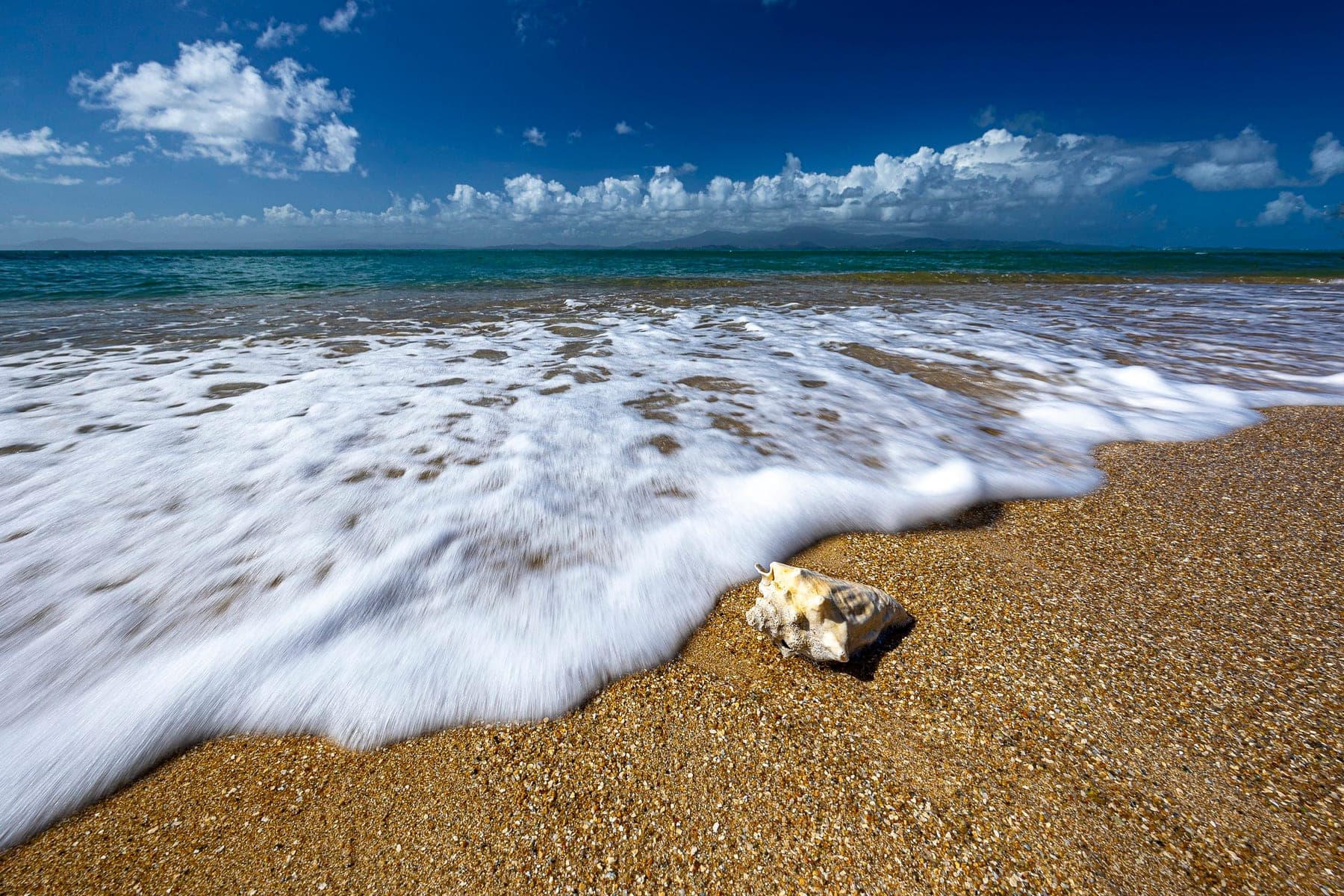
It depends on how fast the water moves and the look you want. Fast surf softens beautifully at 1-2 seconds and goes completely misty by 8-10. A slow-moving river needs longer. The honest approach is to take a frame, look at the back of the camera, and adjust. Long exposure is a craft of iteration, not a single magic number.
Common questions
- What ND filter strength should I start with?
- A 6-stop ND filter is the most versatile for blue-hour and overcast seascapes. Add a 10-stop for minute-long exposures in brighter daylight.
- What shutter speed smooths water best?
- 1-5 seconds keeps some texture in the water; 8-30+ seconds renders it glassy and misty. The right number depends on how fast the water is moving, so test and adjust.
Want to photograph these places with me?
I teach privately and lead small-group photography journeys to the locations in these guides.
Learning & journeys