Destinations · 7 min read · April 18, 2026
How to Photograph Antelope Canyon (Including the Tripod Rules)
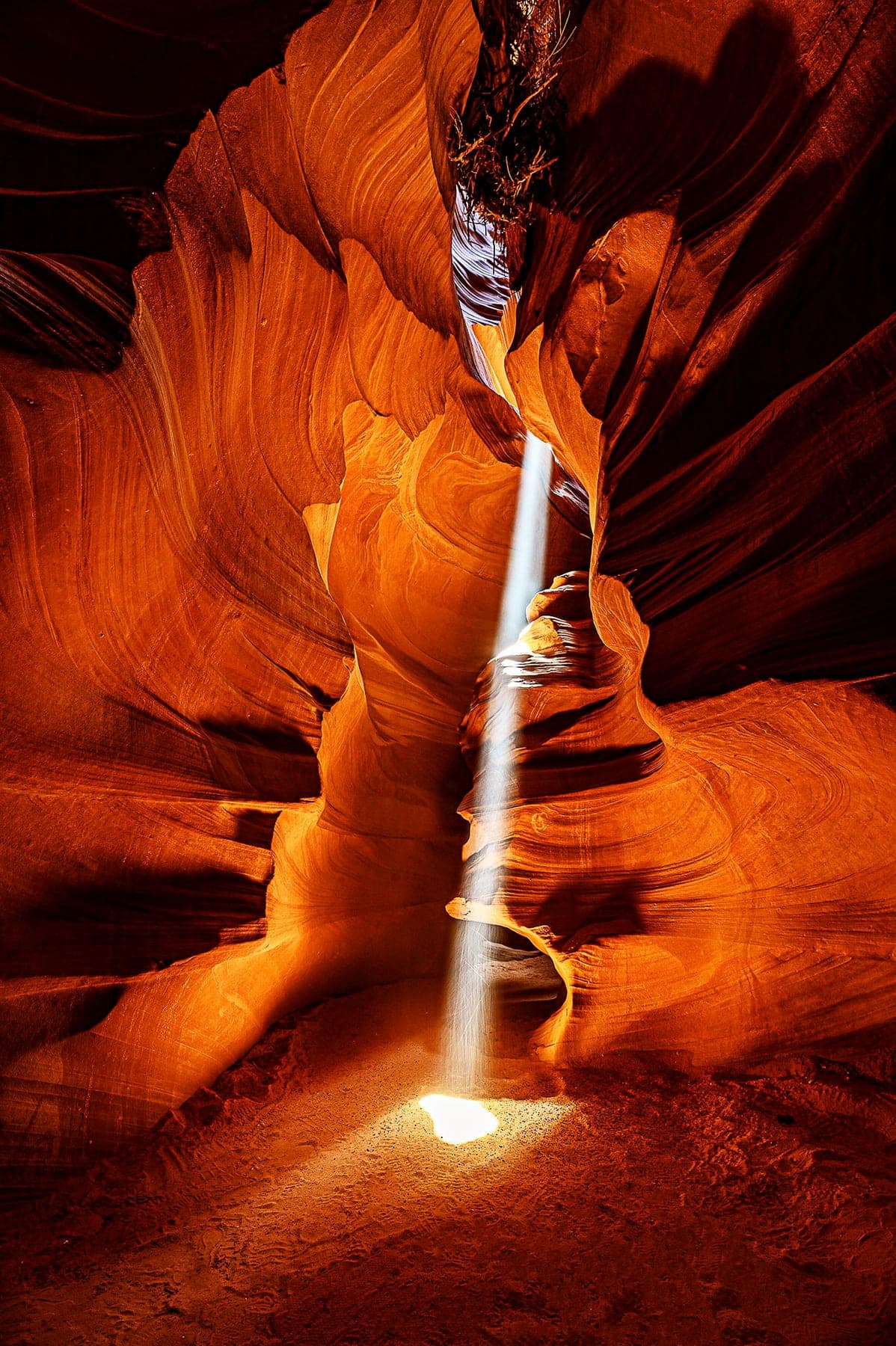
To photograph Antelope Canyon well, you'll shoot handheld at a high ISO, because most tours no longer allow tripods, and dedicated 'photography tours' have largely been discontinued. The keys are a steady technique, the right time of day, and exposing for those glowing sandstone walls. Here's how to get the shot under current rules.
In this guide
The tripod situation, honestly
For years, photographers booked special photography tours that allowed tripods and extra time. The major operators have largely ended those tours, and standard tours generally do not permit tripods, monopods, or large bags. Rules change and differ between Upper and Lower Antelope Canyon and between operators, so confirm directly with your tour company when you book.
The practical upshot: plan to shoot handheld. It's entirely possible to make beautiful images that way with the right settings.
Settings for handheld slot-canyon work
Raise your ISO without fear, 1600 to 6400 as needed, to keep your shutter fast enough to be sharp in the dim canyon. Open your aperture to around f/4-f/5.6, and lean against the smooth canyon walls or brace your elbows to steady yourself. Image stabilization earns its keep here.
Shoot RAW and watch your histogram. The canyon's range is wide: bright shafts of light against deep shadow. Expose to keep the glowing highlights from blowing out, and lift the shadows later.
Timing and light
The famous beams of light in Upper Antelope Canyon appear around midday in the warmer months (roughly late March to early October), when the sun is high enough to reach the canyon floor. If the beams are your goal, book a midday tour in that window. The rest of the year and the rest of the day still give you gorgeous reflected light on the curving walls.
Lower Antelope Canyon is narrower, less crowded for beams, and arguably more photogenic for the flowing abstract shapes, worth considering if light shafts aren't your priority.
Composition in the curves
Look up. The most striking slot-canyon images use the flowing lines of the sandstone as leading lines, often shooting straight up toward a sliver of sky. Watch your edges for blown-out openings, and keep the camera level so the verticals don't lean. With crowds moving through, patience and a quick eye matter more than gear.
Common questions
- Can you bring a tripod to Antelope Canyon?
- Generally no. The dedicated photography tours that allowed tripods have largely been discontinued, and standard tours typically prohibit tripods and large bags. Always confirm the current policy with your specific tour operator and canyon when booking.
- What camera settings should I use in Antelope Canyon?
- Shoot handheld at ISO 1600-6400, aperture around f/4-f/5.6, a shutter fast enough to stay sharp, image stabilization on, and RAW format. Brace against the walls and expose to protect the bright highlights.
- What time of day do the light beams appear?
- The light beams in Upper Antelope Canyon appear around midday, roughly late March through early October, when the sun is high enough to reach the canyon floor.
Want to photograph these places with me?
I teach privately and lead small-group photography journeys to the locations in these guides.
Learning & journeys