Destinations · 10 min read · April 30, 2026
How to Photograph Iceland: A Photographer's Guide
The best time to photograph Iceland depends on what you want: winter (October-March) for the northern lights and blue ice caves, and summer for the midnight sun, green highlands, and endless golden light. Whenever you go, the secret is to chase the weather rather than fear it. Here's how I plan a shoot there.
In this guide
When to go, and what you'll get
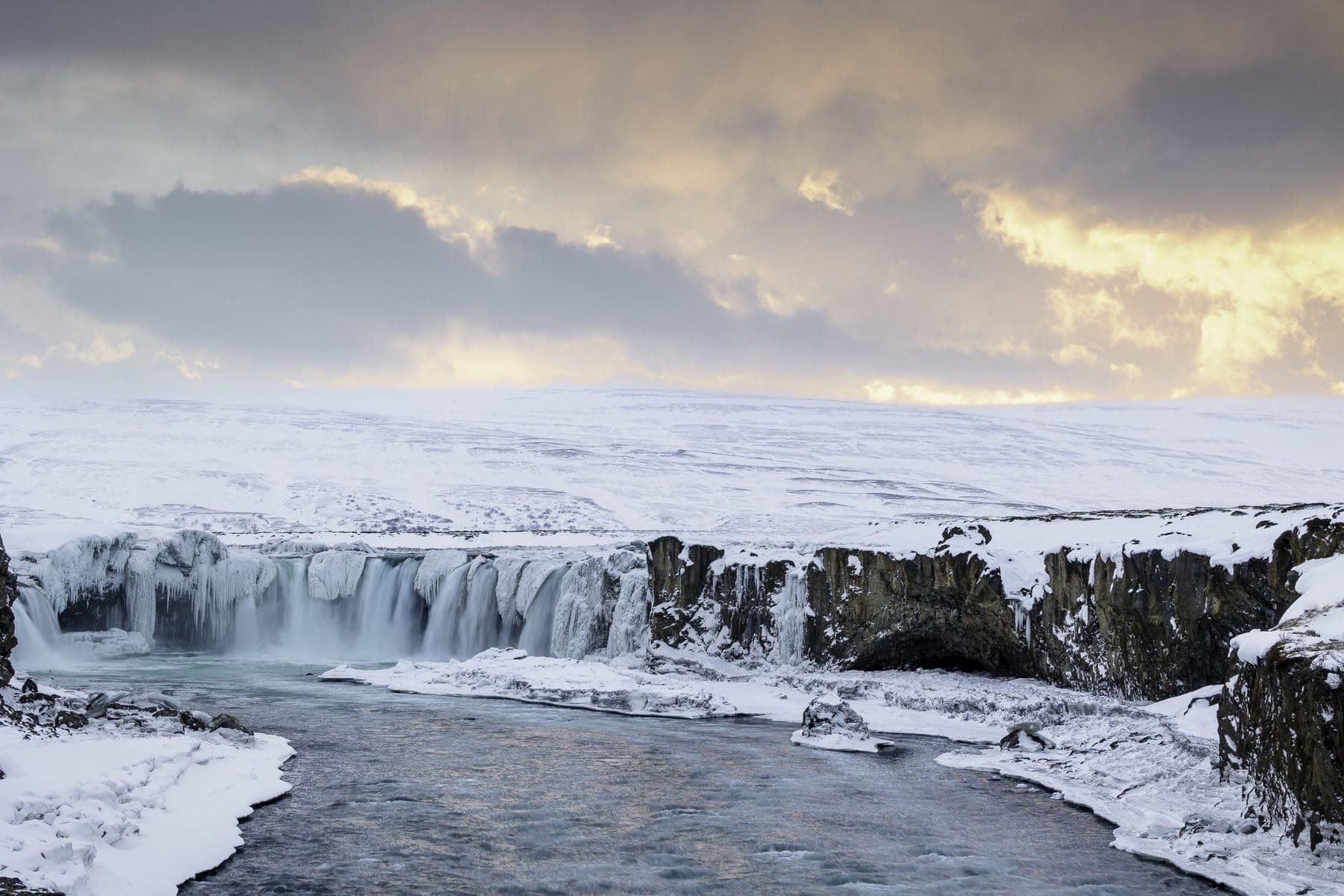
Winter gives you the aurora, the famous blue ice caves under Vatnajökull, and low, soft sun that stays in golden-hour quality for hours. The trade-off is short days, ice, and serious weather. Summer flips it: 20+ hours of light, accessible highlands, and waterfalls at full roar, but no darkness for stars and bigger crowds.
My favorite compromise is the shoulder seasons, late September or early March, when you can still catch the aurora but the roads are kinder and the light is long.
The signature locations
The south coast is the classic first trip: Reynisfjara's black sand and basalt sea stacks, Skógafoss and Seljalandsfoss waterfalls, the Jökulsárlón glacier lagoon and the ice-strewn 'Diamond Beach' across the road. Each rewards a different time of day, so plan your route around the light, not the map.
Reynisfjara is stunning and genuinely dangerous: its 'sneaker waves' have killed visitors. Never turn your back on the ocean, and keep well back from the water line.
Working with the weather
Iceland's weather changes by the hour, and that's the opportunity, not the problem. The most dramatic light comes at the edges of storms. Check the Icelandic Met Office forecast and the aurora forecast obsessively, build a flexible route, and be willing to drive an hour for a clearing.
Pack for it: weather-sealed gear, microfiber cloths for the constant spray and rain, and a genuinely sturdy tripod, because the wind will test a flimsy one.
Gear and filters
A wide-angle zoom covers most of it. Bring a polarizer for the waterfalls and wet rock, and a set of neutral-density filters for long exposures of the surf and falls. For the ice caves, a wide lens and a tripod are essential, because it's darker in there than it looks.
Common questions
- When is the best time to photograph Iceland?
- Winter (October-March) for the northern lights and blue ice caves; summer for the midnight sun and green highlands; and the shoulder seasons (late September, early March) for a balance of aurora chances and manageable conditions.
- What camera gear do I need for Iceland?
- A weather-sealed camera, a wide-angle lens, a sturdy tripod, a polarizer, neutral-density filters for waterfalls and surf, plenty of cloths for spray, and spare batteries for the cold.
- Is it safe to photograph Reynisfjara black sand beach?
- Only with great caution. Reynisfjara has unpredictable 'sneaker waves' that have caused deaths. Never turn your back on the sea and stay well back from the water line.
Want to photograph these places with me?
I teach privately and lead small-group photography journeys to the locations in these guides.
Learning & journeys