The best fall foliage photography in New England comes from timing the peak (late September in the northern mountains to mid- and late October on the coast and in the south), shooting in soft or backlit light rather than harsh sun, and using a polarizer to cut glare and saturate the color. Here's when to go, where, and how to capture it.
In this guide
Timing the peak
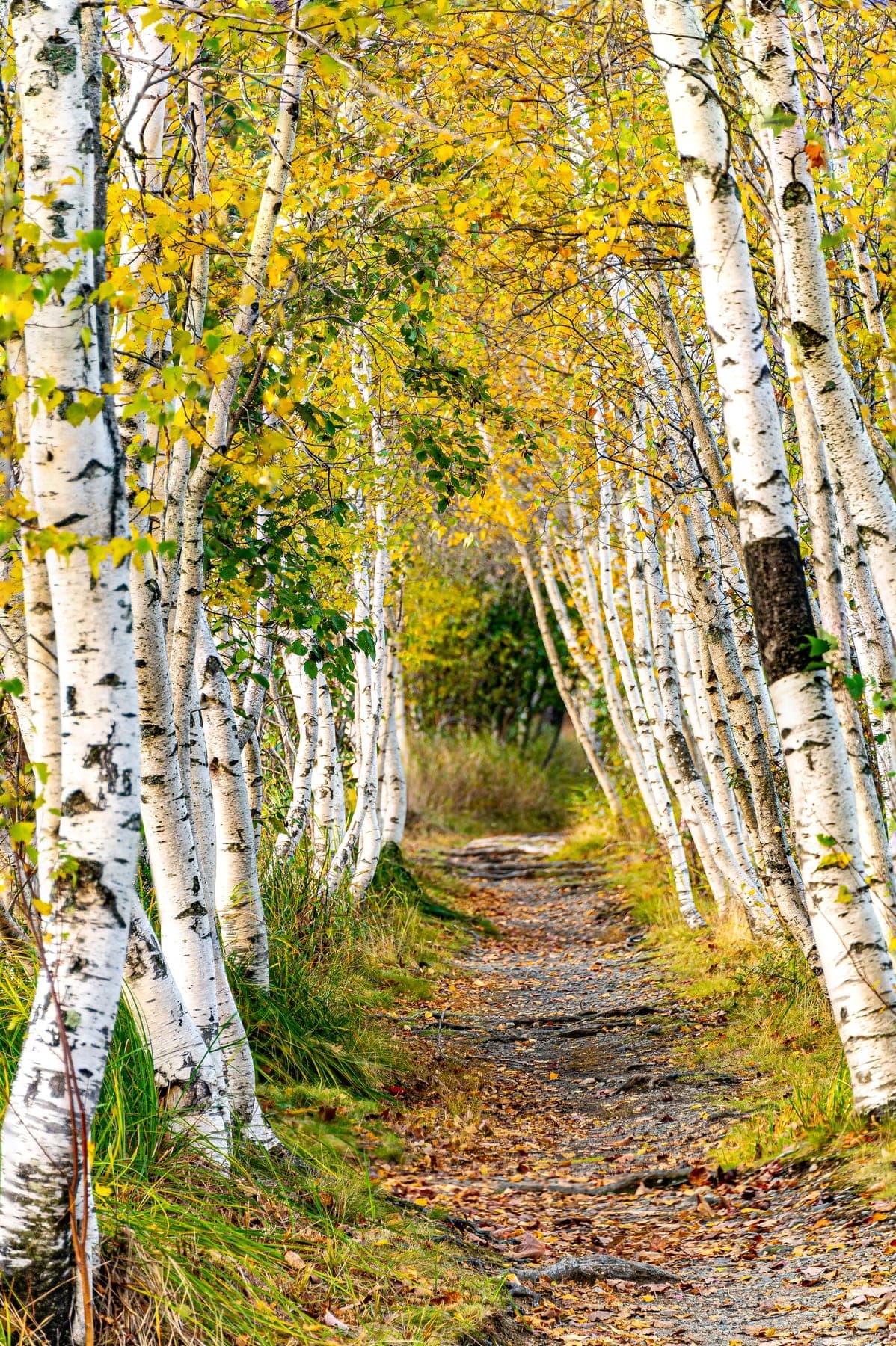
Peak color moves north to south and high to low over several weeks. The northern mountains of Vermont, New Hampshire, and Maine usually peak in late September into early October; central New England follows through mid-October; and the coast and southern areas often hold color into late October. Elevation matters too, since higher up turns first. Watch the foliage forecasts each year, because weather shifts the timing, and plan to be flexible.
The best light is not bright light
Bright midday sun makes foliage look harsh and washed out. The color sings in softer light: an overcast sky acts like a giant softbox and saturates the reds and oranges beautifully, while backlight (shooting toward the sun with leaves between you and it) makes them glow as if lit from within. Early morning and the hour before sunset bring warm light and, often, mist over the water. Save the harsh middle of the day for scouting.
Use a polarizer
A polarizing filter is the one piece of glass that genuinely transforms foliage photography. It cuts the glare reflecting off wet, waxy leaves, the glare that grays the color, and lets the true reds and golds come through saturated. It also deepens blue skies and tames reflections on water. Rotate it while looking through the viewfinder to dial in the effect. This is an effect you cannot fully replicate in editing.
What to shoot
The classic New England scenes are classics for a reason: a white church steeple among the color, a covered bridge, a hillside of mixed hardwoods. But don't overlook the intimate shots: a single brilliant maple, leaves floating on dark water, reflections in a still pond that double the color. And use the weather, because a misty morning over a lake of color is worth more than a blue-sky postcard.
Where to go around New England
The Kancamagus Highway and the White Mountains in New Hampshire, the Green Mountains and back roads of Vermont, the Berkshires in western Massachusetts, and Maine's lakes and coast are all legendary for good reason. But within a couple of hours of almost anywhere in the region, including right around Boston, quiet ponds, town commons, and back roads deliver. Scout in advance, respect private property, and let the light, not just the location, decide your timing.
Common questions
- When is the best time to photograph fall foliage in New England?
- Generally late September to early October in the northern mountains, mid-October in central New England, and into late October on the coast and in the south. Higher elevations peak first. Check yearly foliage forecasts, as weather shifts the timing.
- What's the best light for photographing autumn leaves?
- Soft, diffused light. An overcast sky saturates the color like a giant softbox, and backlight makes leaves glow. Early morning and late afternoon are ideal; avoid harsh midday sun, which washes the color out.
- Do I need a polarizing filter for fall foliage?
- It's the most valuable filter for foliage. A polarizer cuts the glare off waxy leaves that dulls their color, deepens skies, and reduces reflections on water, an effect you can't fully reproduce in editing.
Want to photograph these places with me?
I teach privately and lead small-group photography journeys to the locations in these guides.
Learning & journeys